Tobacco Guide
Nicaraguan Cigars: Regions, Flavor and History
Nicaraguan cigars are known for rich, peppery strength, which comes from tobacco grown in the volcanic valleys of Estelí, Condega and Jalapa and on Ometepe island.
Updated · Cigars Central America Editorial Team
See Nicaraguan Cigar Brands →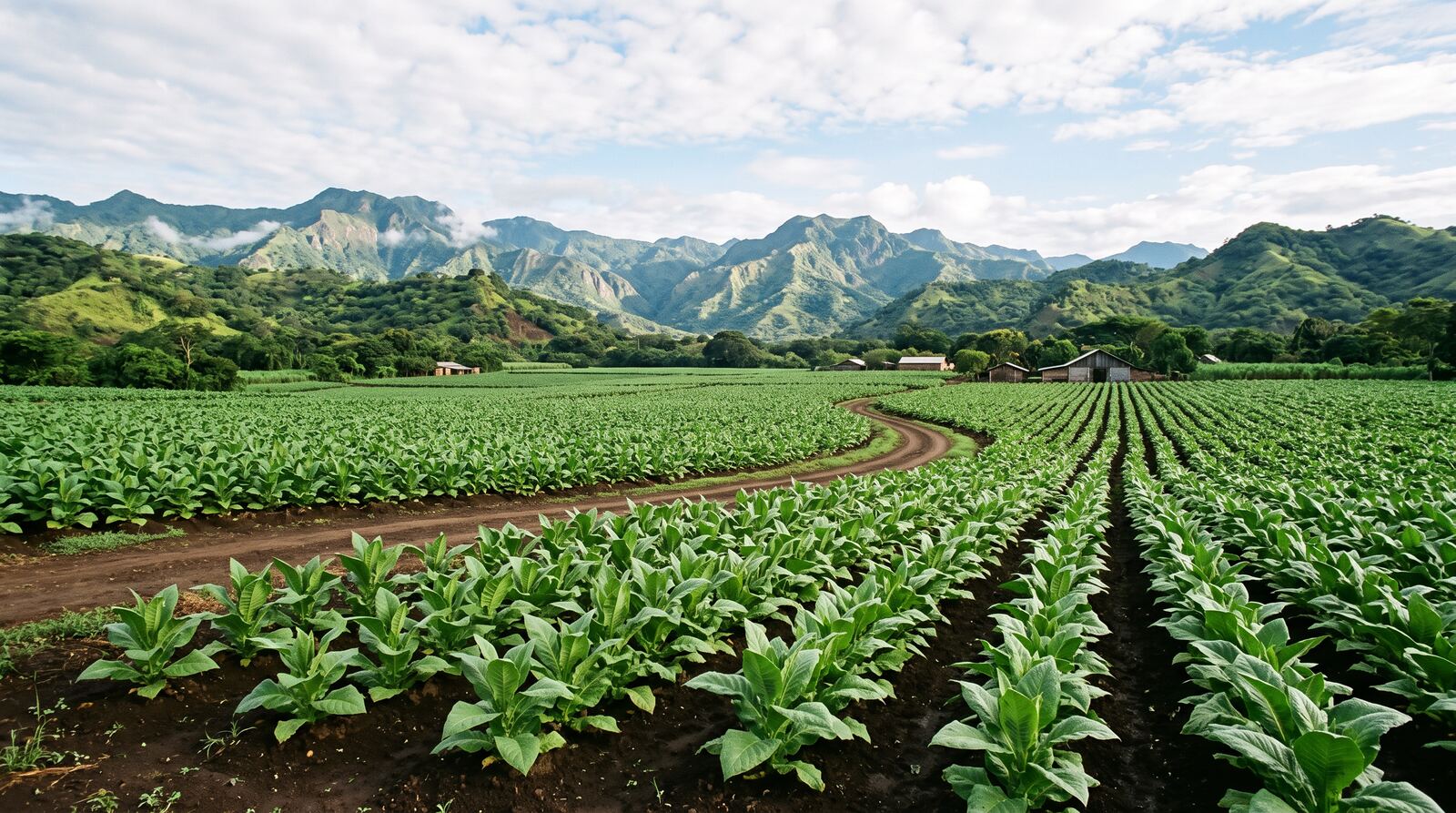
Nicaraguan cigars are the most-imported premium cigars in the United States. Smokers know them for a bold, spicy, earthy profile, though today's Nicaraguan factories make everything from mild Connecticut-wrapped cigars to full-strength maduros. What ties them together is the leaf: tobacco grown in a handful of distinct regions, each with its own soil and character.
The Four Nicaraguan Tobacco Regions
| Region | Setting and soil | Typical character |
|---|---|---|
| Estelí | Valley in the north; hard, dark soil and strong sun | Heavy, full-flavored, dark and often spicy leaf |
| Condega | North of Estelí; rocky soil | Earthy, full-bodied, balancing sweet and spice; mostly filler |
| Jalapa | Near the Honduran border; red clay soil | Smoother, sweeter and creamier; prized for attractive wrappers |
| Ometepe | Volcanic island in Lake Nicaragua | Sweet but dominant; used in small amounts in blends |
Quick answer: Nicaraguan cigars get their flavor from four regions. Estelí gives strength and spice, Condega gives earthy depth, Jalapa gives smoothness and sweetness, and Ometepe's volcanic leaf adds a sweet, powerful accent.
Estelí Tobacco
Estelí is both a city and the valley around it. Its dark soil and strong sun produce thick, oily leaf with plenty of strength, and it forms the backbone of many full-bodied blends. Most of the country's factories are also here, which is why Estelí is called the cigar capital; see our Estelí guide.
Condega Tobacco
Condega lies a short drive north of Estelí. Its rockier ground yields a thinner, mostly sun-grown leaf. Roughly seven in ten Condega leaves go into filler, where they add an earthy, sweet-and-spicy middle to a blend, though the region also grows some richly colored wrappers.
Jalapa Tobacco
Jalapa sits at the foot of the mountains along the Honduran border. Its fertile red clay produces smooth, sweet, creamy tobacco and some of the best-looking wrapper leaf in Nicaragua. Blenders often use Jalapa to round off the power of Estelí leaf.
Ometepe Tobacco
Ometepe is an island formed by two volcanoes, Concepción and Maderas, in Lake Nicaragua. Its very fertile volcanic soil grows a sweet but forceful tobacco that can taste metallic if overused, so blenders add it in small proportions for complexity.
A Short History of the Nicaraguan Cigar
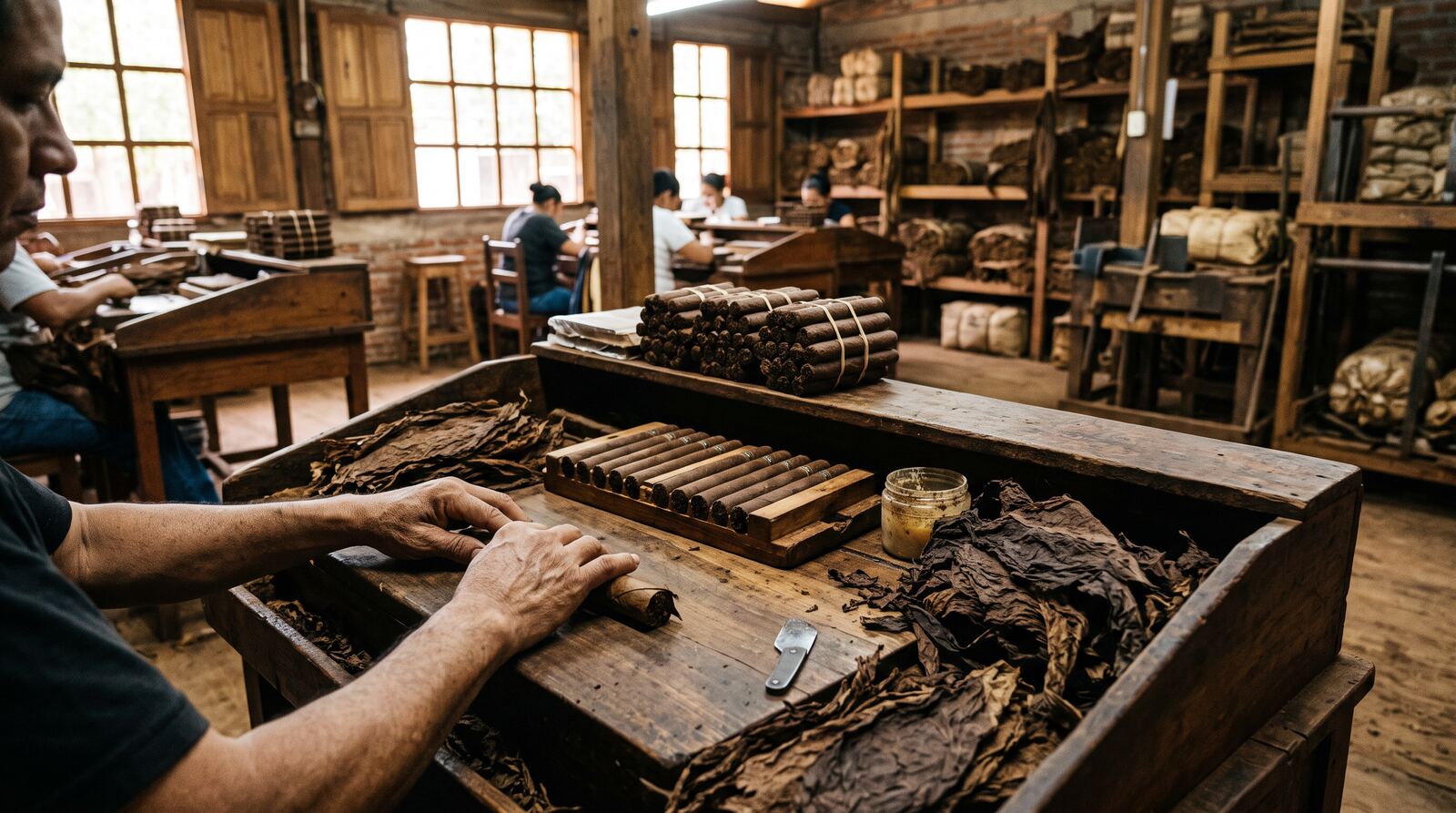
Tobacco has long grown in northern Nicaragua, but the modern industry took shape after 1959, when Cuban tobacco families left Cuba and brought seed and know-how to Nicaragua and Honduras. Joya de Nicaragua, founded in Estelí in 1968, was the country's first major premium brand. The 1979 revolution and the U.S. trade embargo of the 1980s hit the industry hard; some production moved temporarily to Honduras. After the embargo ended in 1990, investment returned, and the cigar boom of the 1990s and the growth of the 2000s made Nicaragua the leading source of U.S. premium imports.
What Nicaraguan Cigars Taste Like
- Pepper and spice — especially from Estelí ligero.
- Earth, leather and cocoa — common in Condega and maduro blends.
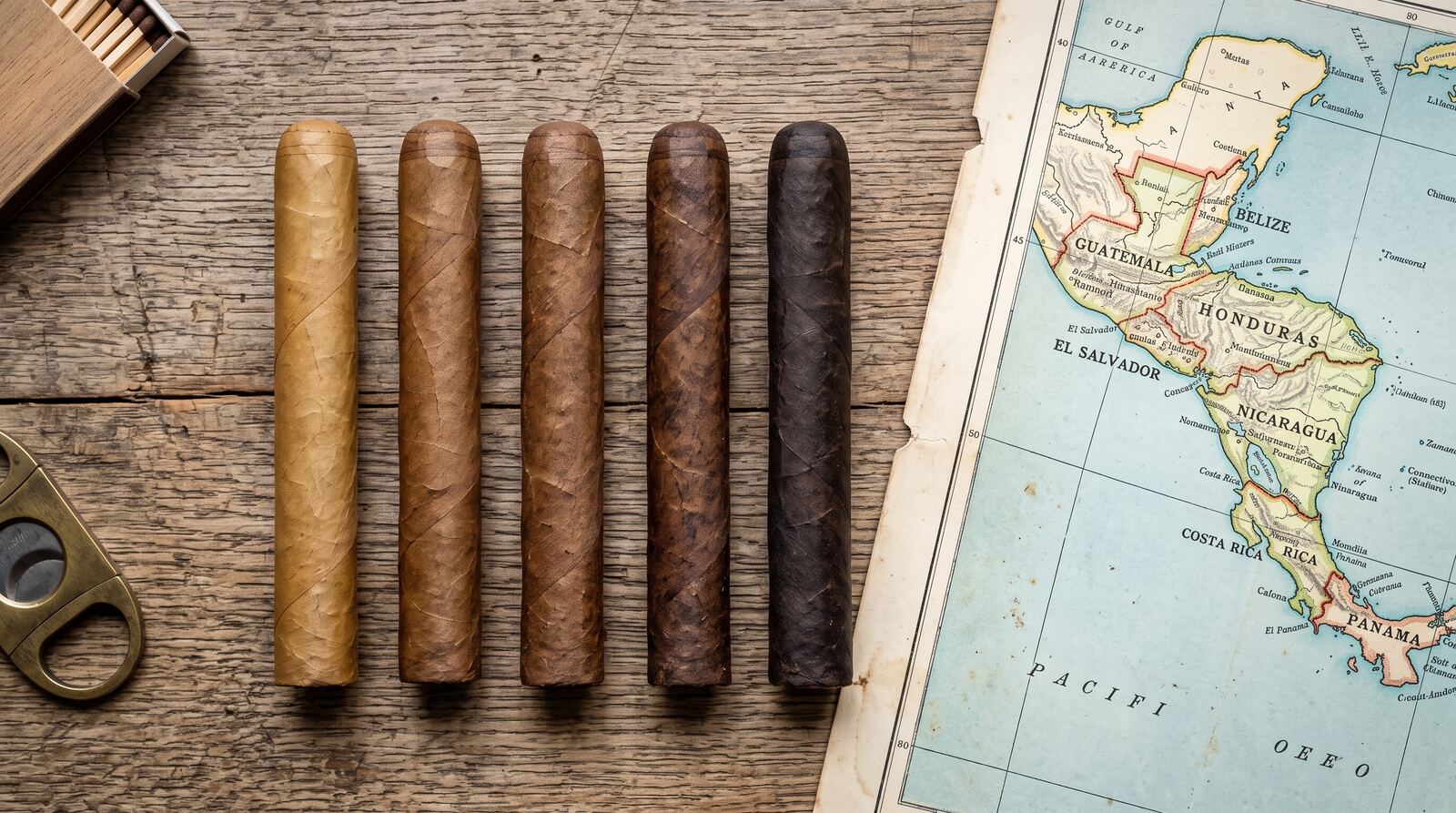
- Cream and sweetness — when Jalapa leaf or a Connecticut wrapper softens the blend.
Strength varies widely by brand and blend; see the Nicaraguan cigar brands guide for examples, and our sister site on cigar wrapper types for how wrappers change flavor.
Frequently Asked Questions
What makes Nicaraguan cigars different?
They use tobacco from volcanic valleys such as Estelí, Condega and Jalapa, which tends to give a rich, peppery, earthy profile.
What are the best regions for Nicaraguan tobacco?
Estelí, Condega, Jalapa and the island of Ometepe are the main regions, each with its own soil and flavor.
Are Nicaraguan cigars strong?
Many are medium to full in strength, especially those built on Estelí ligero, but milder Nicaraguan cigars also exist.
What does Jalapa tobacco taste like?
Jalapa tobacco is smoother, sweeter and creamier than Estelí leaf and is prized for wrappers.
When did Nicaragua become a major cigar country?
The industry grew after Cuban exiles arrived in the 1960s and expanded rapidly from the 1990s cigar boom onward.