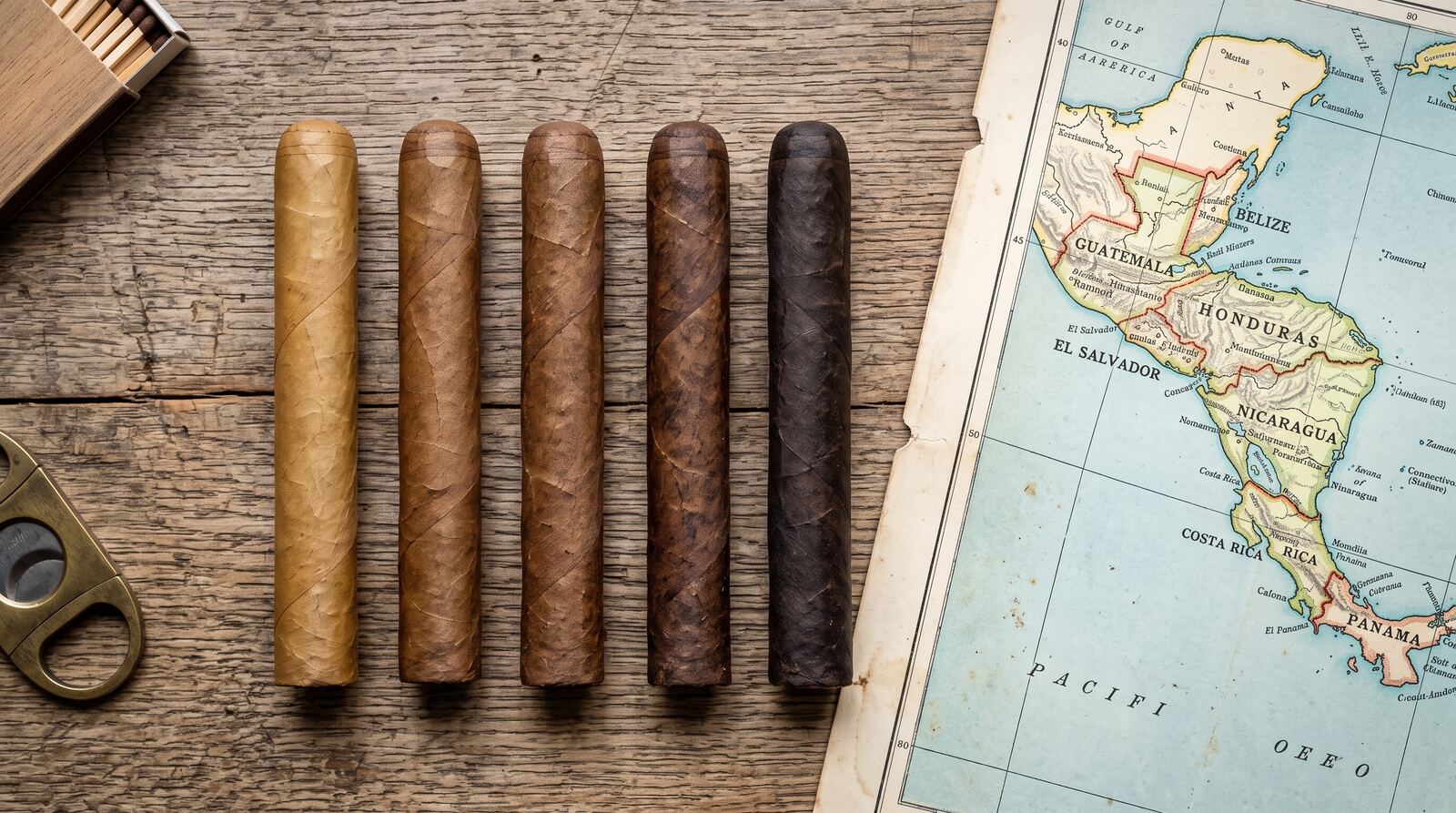
Central America is now the heart of the premium cigar world. Nicaragua is the largest source of handmade cigars sold in the United States, and neighboring Honduras is close behind. Together with smaller producers such as Costa Rica, these countries roll the majority of the premium cigars Americans smoke.
This is an independent, educational guide. We do not sell tobacco and are not affiliated with any grower, factory or retailer.
U.S. Premium Cigar Imports by Country (2025)
| Country | Premium cigars imported | Approx. share | Change vs. 2024 |
|---|---|---|---|
| Nicaragua | 258.4 million | ~60% | +2% |
| Dominican Republic | 93.7 million | ~22% | −12% |
| Honduras | 74.5 million | ~17% | +11% |
| All others (Costa Rica, Mexico, Philippines and more) | ~3 million | <1% | — |
| Total | 429.8 million | 100% | Flat |
Source: 2025 import figures reported by Cigar Aficionado. Shares are rounded.
Why Nicaragua Leads
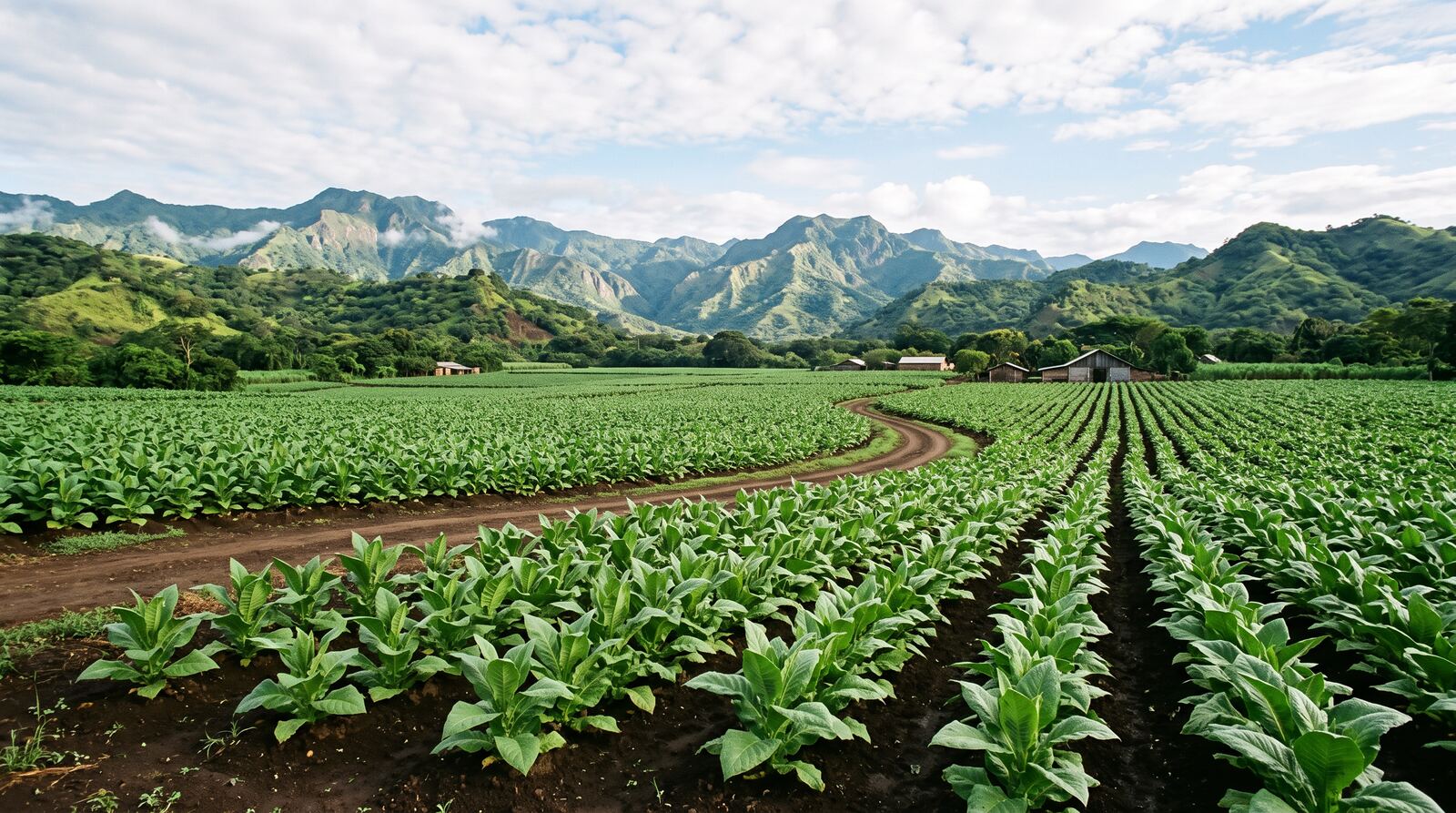
Nicaragua's rise is a story of soil, people and timing. After the Cuban Revolution, Cuban tobacco families brought seed and skills to northern Nicaragua. The volcanic soils of the Estelí, Condega and Jalapa valleys produce strong, flavorful leaf, and by the 2000s a new generation of factories had turned Estelí into the busiest cigar town in the Americas. Learn the regions in our guide to Nicaraguan cigars.
The Brands Behind the Boom
Many of the most decorated cigars of the past two decades are Nicaraguan. Padrón, Oliva, My Father and Joya de Nicaragua are household names among cigar smokers, and several have been named Cigar Aficionado's Cigar of the Year. Meet them in Nicaraguan cigar brands.
Estelí: The Cigar Capital
Most Nicaraguan factories sit in and around the city of Estelí, about 150 km north of Managua. Visitors come for factory tours and the surrounding tobacco farms. See Estelí, Nicaragua.
Beyond Nicaragua
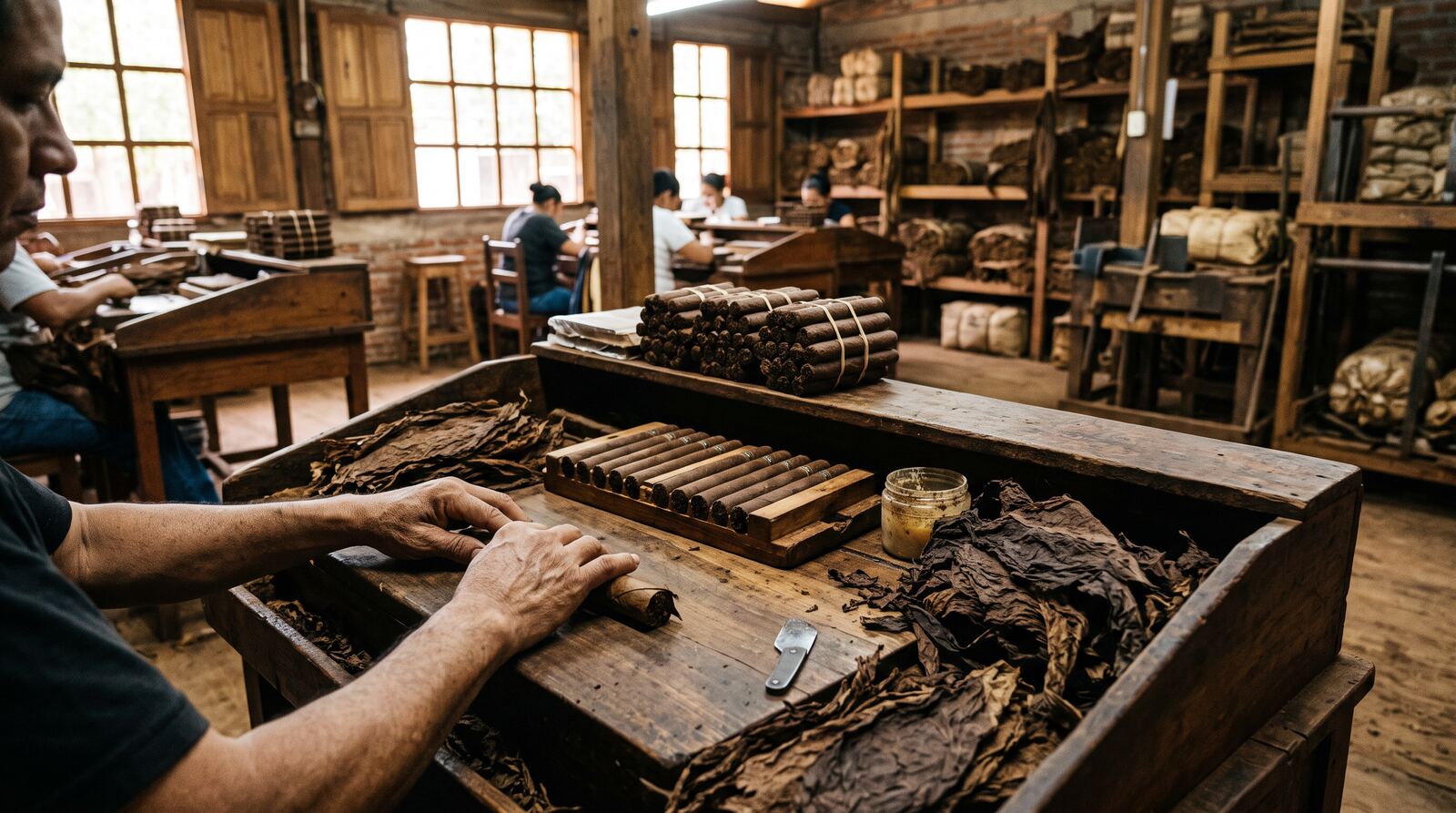
Honduras has its own deep tradition around Danlí; our sister site covers Danlí, Honduras cigars and Honduran vs. Nicaraguan cigars. Costa Rica, Panama and Guatemala are smaller players, profiled in Central American cigar countries. For how the leaf becomes a cigar, see how cigars are rolled.
Reading a Central American Cigar Label
A box that says "Made in Nicaragua" tells you where the cigar was rolled, not necessarily where every leaf was grown. Many Nicaraguan cigars use only Nicaraguan tobacco (often labeled a "Nicaraguan puro"), while others pair Nicaraguan filler with an Ecuadorian, Connecticut or Mexican wrapper. Check the wrapper, binder and filler listed by the maker to understand the blend.
Part of a Larger Map
Cigars Central America is one of the guides in the Cigars North America network, a collection of independent guides to the world's cigar regions.
Where to buy (affiliate link): Shop Nicaraguan brands at Famous Smoke Shop: Padrón, Oliva, My Father, Joya de Nicaragua, Perdomo and Drew Estate. Famous Smoke Shop is a licensed U.S. retailer that requires customers to be 21 or older. If you buy through this link we may earn a commission at no extra cost to you. Affiliate disclosure.
Frequently Asked Questions
Which Central American country makes the most cigars?
Nicaragua. In 2025 it shipped 258.4 million premium cigars to the U.S., about 60 percent of all premium imports.
What are the main Nicaraguan tobacco regions?
Estelí, Condega and Jalapa in the north, plus the volcanic island of Ometepe in Lake Nicaragua.
Where are most Nicaraguan cigars made?
Most are rolled in factories in and around the city of Estelí in northern Nicaragua.
Which countries besides Nicaragua make Central American cigars?
Honduras is the second largest; Costa Rica, Panama and Guatemala produce smaller amounts.
Are Central American cigars Cuban?
No. Many factories were founded by Cuban exiles and use Cuban-seed tobacco, but the cigars are grown and rolled in Central America.