Place Guide
Estelí, Nicaragua: The Cigar Capital of Central America
Estelí is a city in northern Nicaragua where most of the country's premium cigar factories are located, earning it the name cigar capital of Central America.
Updated · Cigars Central America Editorial Team
Meet the Estelí Brands →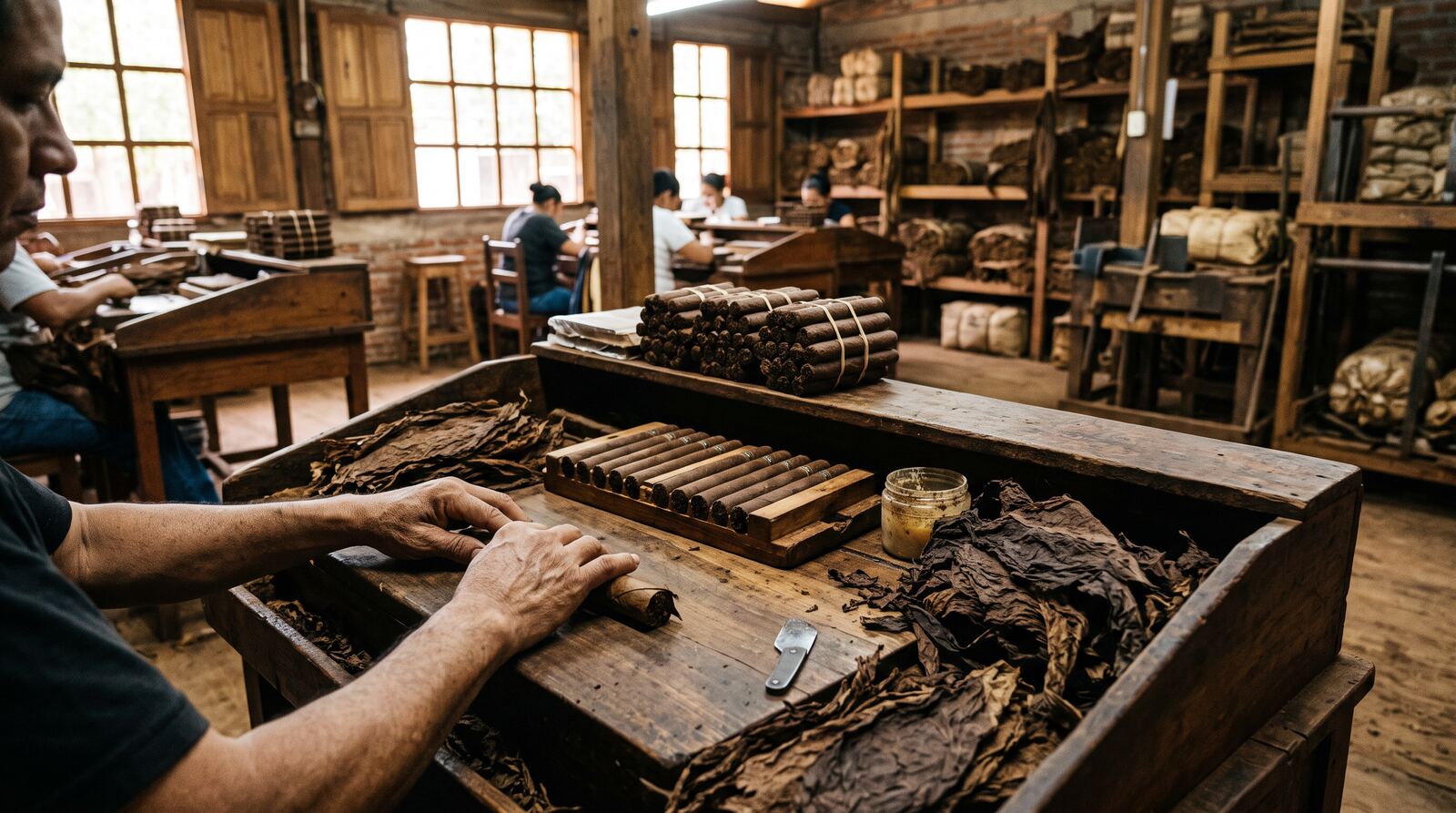
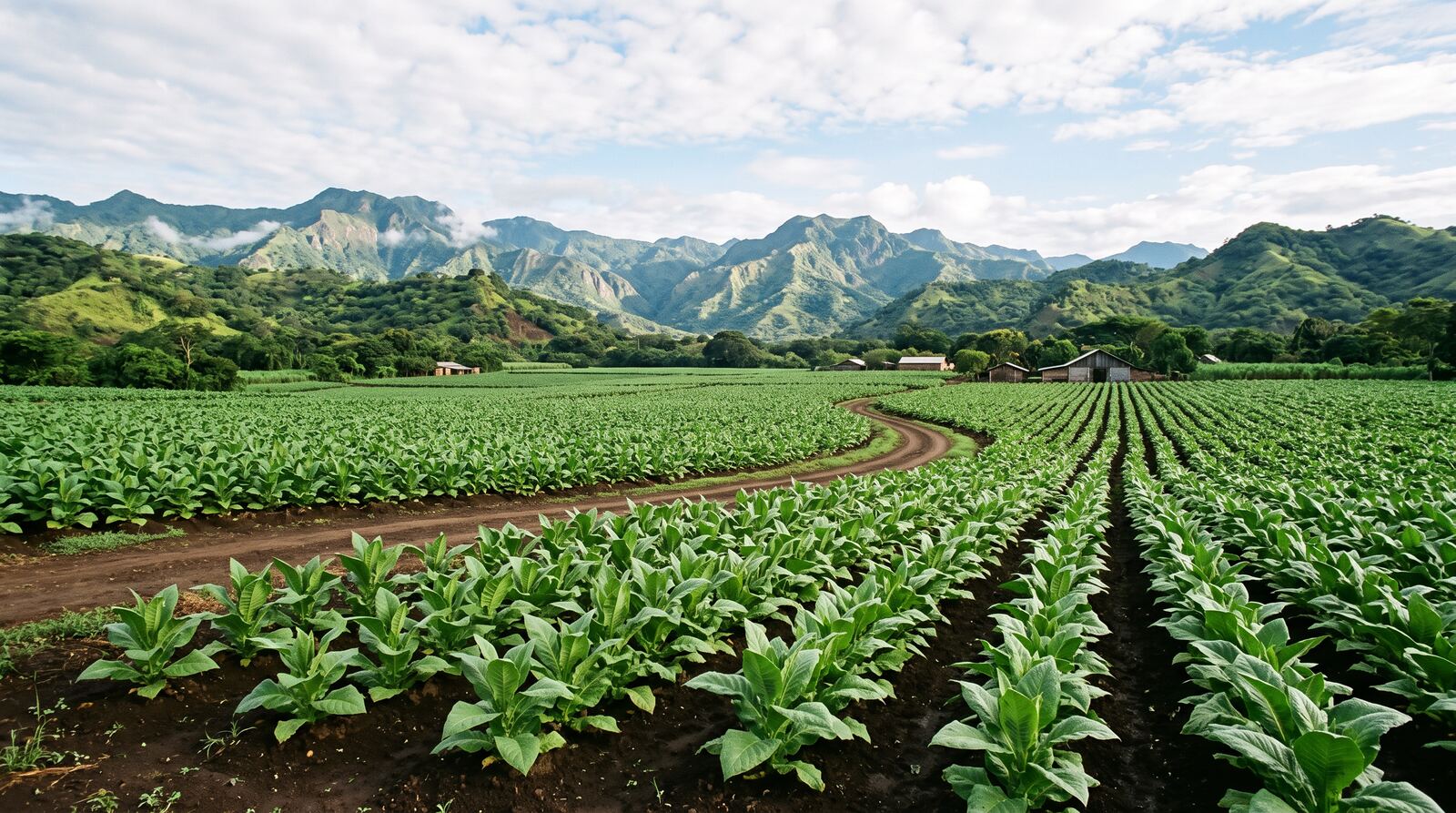
Estelí is a highland city in northern Nicaragua, roughly 150 km north of Managua along the Pan-American Highway. It sits in a valley ringed by mountains, and tobacco fields stretch from its edges toward Condega in the north and Jalapa to the northeast. Because so many factories are based here, a large share of the premium cigars sold in the U.S. pass through Estelí.
Estelí at a Glance
| Topic | Details |
|---|---|
| Location | Northern highlands of Nicaragua, on the Pan-American Highway |
| Nickname | The cigar capital of Nicaragua (and often of Central America) |
| Nearby tobacco areas | Estelí valley, Condega, Pueblo Nuevo, Jalapa |
| Brands rolled here | Padrón, Oliva, My Father, Joya de Nicaragua, Drew Estate, Perdomo and many more |
| Oldest premium brand | Joya de Nicaragua, founded 1968 |
Quick answer: Estelí is a city in northern Nicaragua where most of the country's premium cigar factories operate. Its valley's dark soil grows strong, spicy tobacco, and the city's rollers make cigars for many of the world's best-known brands.
Why Estelí Became the Cigar Capital
Estelí combined three things: good tobacco land, a cooler highland climate suited to curing and aging leaf, and the arrival of Cuban tobacco families after 1959. Joya de Nicaragua opened here in 1968. Factories were damaged during the fighting of the late 1970s and slowed by the embargo of the 1980s, but from the 1990s onward Estelí grew rapidly as brand after brand set up production in the valley.
Inside an Estelí Cigar Factory
Most Estelí factories follow the same path from leaf to box:
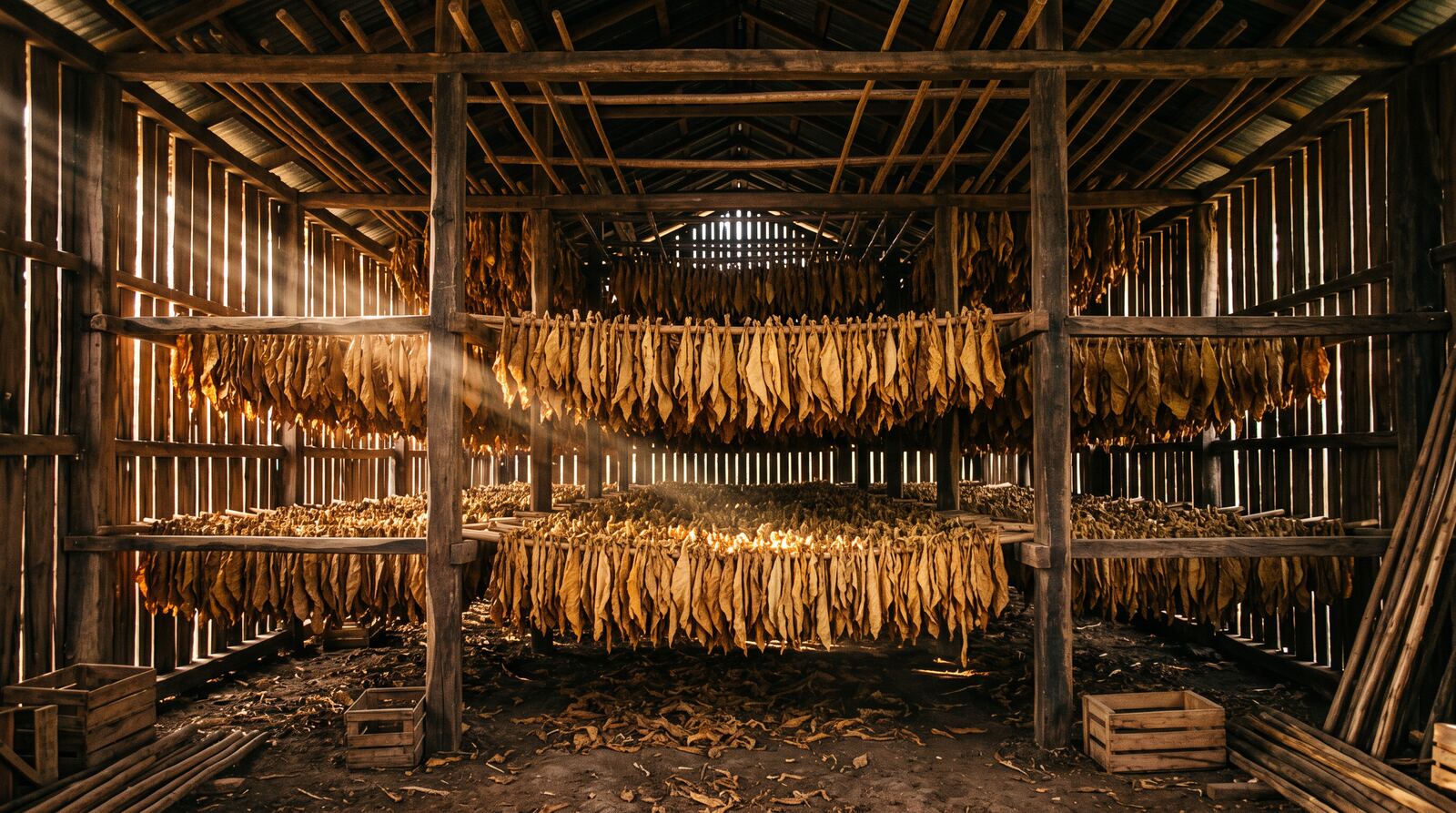
- Curing — harvested leaves hang in barns for several weeks.
- Fermentation — leaves are stacked in large piles that heat up and mellow the tobacco.
- Aging and sorting — leaf is graded by size, color and strength, often aged for years.
- Rolling — a buncher and a roller work in pairs to form the filler, binder and wrapper.
- Quality control and boxing — cigars are checked for draw and appearance, then aged again before shipping.
Our sister site explains each step in how cigars are rolled and cigar fermentation and aging.
Tobacco Farms Around Estelí
The Estelí valley grows dark, strong leaf. Head north to Condega for earthy filler, or northeast to Jalapa for smoother leaf and wrappers. Read more in our Nicaraguan cigars guide.
Visiting Estelí
Estelí is a popular stop for cigar enthusiasts. Many factories welcome visitors by appointment, and some cigar retailers and tour operators organize trips that include factory floors and farms. If you plan a visit:
- Arrange factory visits in advance; most do not accept walk-ins.
- Check current U.S. State Department travel advice for Nicaragua before booking.
- Know U.S. customs rules for bringing cigars home; personal-use limits and duties apply.
The best time to see the fields is the growing season, which generally runs from late in the year into spring; harvests and curing barns are busiest in the first months of the year.
Estelí Brands
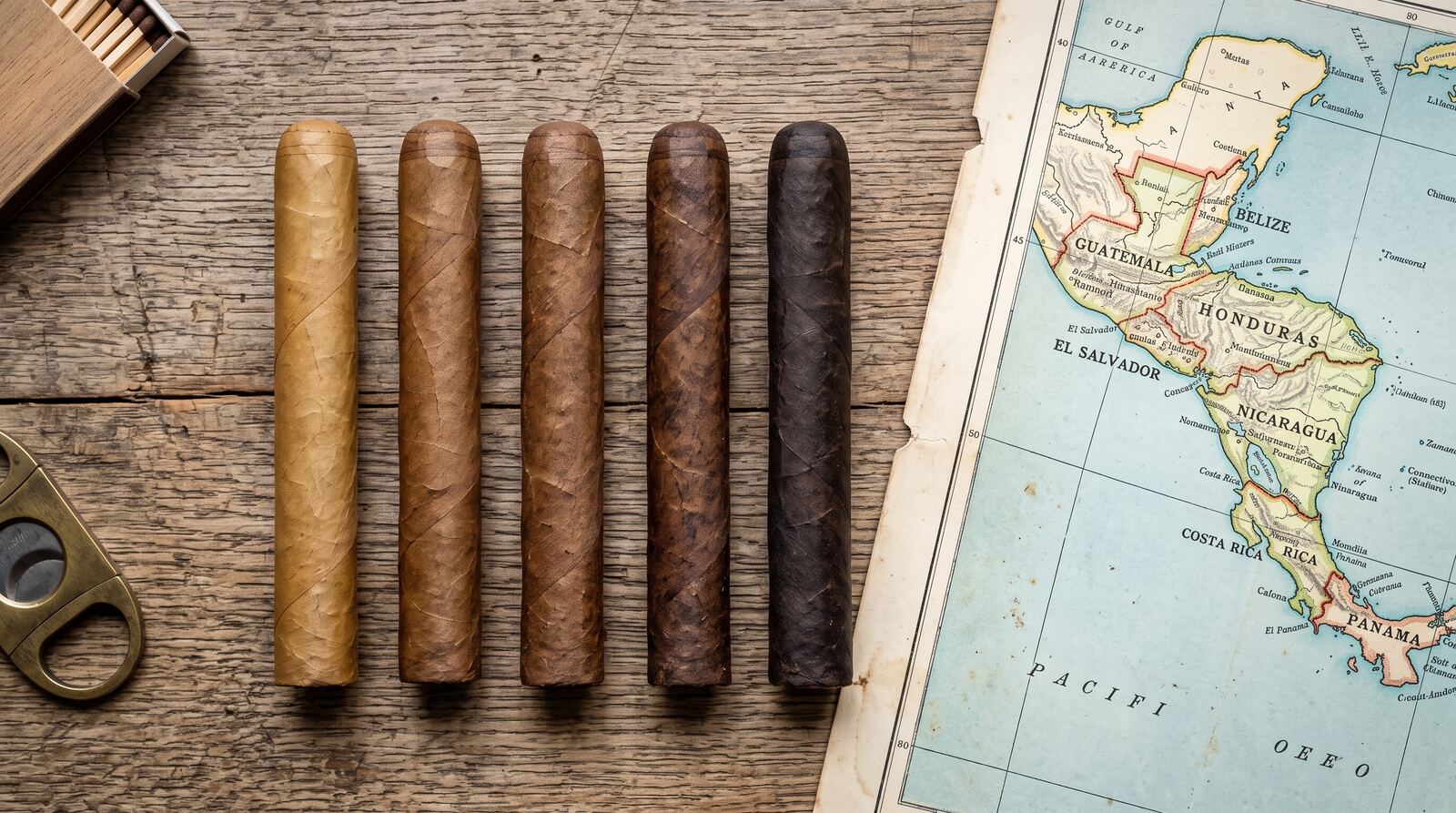
See profiles of the city's most famous makers in Nicaraguan cigar brands, and compare Nicaragua with its neighbors in Central American cigar countries.
Frequently Asked Questions
Where is Estelí, Nicaragua?
Estelí is in the northern highlands of Nicaragua, about 150 km north of Managua on the Pan-American Highway.
Why is Estelí called the cigar capital?
Most of Nicaragua's premium cigar factories are in and around Estelí, and the valley grows strong, high-quality tobacco.
Which cigar brands are made in Estelí?
Padrón, Oliva, My Father, Joya de Nicaragua, Drew Estate, Perdomo and many others roll cigars in Estelí.
Can you tour cigar factories in Estelí?
Many factories accept visitors by appointment. Arrange visits in advance and check current travel advice.
What does Estelí tobacco taste like?
Estelí tobacco is typically full-flavored, dark and spicy, and often forms the strong core of a blend.